Ever wondered how electric bikes work? Well, let me tell you all about it. Electric bikes, also known as e-bikes, are bicycles that are powered by an electric motor. These motors provide assistance to the rider while they are pedaling, making it easier to ride up hills or cover long distances. In this article, we'll dive into the details of how electric bikes work and explore their various components.
The main components of an e-bike include the battery, electric motor, controller, pedal assist sensor, and throttle. The battery is responsible for providing the power needed to run the motor and is typically a Lithium-ion battery. The motor, on the other hand, converts electrical energy into mechanical energy and is what moves the bike. The controller regulates the flow of power from the battery to the motor and manages the charging process.
When it comes to riding an e-bike, there are different modes of assistance available. The pedal assist sensor measures the rider's pedaling effort and provides power assistance accordingly. This means that the more the rider pedals, the more assistance they receive from the motor. Additionally, the throttle allows the rider to control the speed of the bike without pedaling.
So, as you can see, there are many mechanical and electrical features that work together to make an electric bike function smoothly. In comparison to standard bicycles, e-bikes offer increased efficiency, reduced physical effort, and the ability to cover more ground in less time. In the upcoming article, we'll delve into these features in more detail and explore how electric bikes stack up against their traditional counterparts. Stay tuned for more information!
Mechanical Features
Overview of an e-bike’s mechanical features
An e-bike, like a standard bicycle, consists of various mechanical components that work together to provide a smooth and efficient riding experience. These features include the frame, wheels, brakes, gears, chains, and pedals.
The frame of an e-bike is typically made of aluminum or steel and is designed to be lightweight yet sturdy. It provides the structure and support for all the other components, ensuring the bike's stability and durability.
The wheels of an e-bike are similar to those of a standard bicycle, usually made of aluminum or carbon fiber for lightness and strength. They are equipped with tires specifically designed for e-bikes, capable of handling higher speeds and the added weight of the motor and battery.
Brakes on an e-bike are crucial for safety and control. Most e-bikes are equipped with disc brakes, which provide excellent stopping power even at high speeds. These brakes are activated either by hydraulic or mechanical systems, ensuring reliable and responsive braking performance.
Importance of gears and chains in an e-bike
Gears and chains play a vital role in the overall performance and efficiency of an e-bike. They allow the rider to adjust the bike's speed and control the level of effort required while pedaling.
E-bikes typically have a wide range of gears, similar to those found on a standard bicycle. These gears are controlled by a shifter, which the rider can use to shift up or down depending on the terrain or desired speed. Gears effectively multiply the pedaling force, making it easier to tackle uphill climbs or maintain a steady pace on flat roads.
The chain on an e-bike connects the pedals to the rear wheel and is responsible for transferring power from the rider's legs to the drivetrain. It needs to be properly lubricated and maintained to ensure smooth and efficient power transfer. In e-bikes, where the rider receives assistance from the motor, the chain may experience slightly less wear and tear compared to a standard bicycle.
Understanding the role of pedals in an e-bike
While an e-bike utilizes an electric motor for assistance, the pedals still play a crucial role in the overall operation of the bike. Pedals serve as the primary means of propulsion and allow the rider to contribute energy to the system.
The pedal assist sensor in an e-bike measures the rider's pedaling effort and provides power assistance accordingly. This sensor detects the force and speed at which the rider is pedaling and sends a signal to the motor to deliver the appropriate level of assistance. This feature ensures a smooth and natural riding experience, allowing the rider to maintain control and engagement with the bike.
Some e-bikes also come equipped with a throttle, which allows the rider to control the speed of the bike without pedaling. This feature can be useful when starting from a standstill or for maintaining a constant speed without exerting excessive effort. However, it's important to note that relying solely on the throttle without pedaling will significantly reduce the overall range of the e-bike.

This image is property of cdn.shopify.com.
Electric Components
Exploring the main electric components of an e-bike
In addition to the mechanical features, e-bikes are powered by a range of electric components that work together to provide assistance to the rider. These components include the battery, electric motor, controller, pedal assist sensor, and throttle.
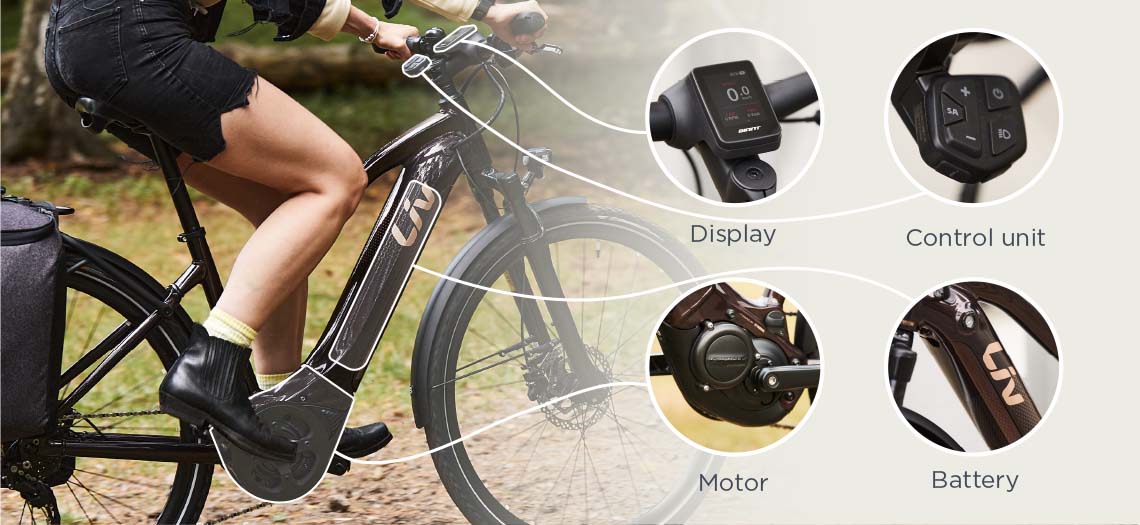
The battery is a crucial component of an e-bike, as it provides the power needed to run the electric motor. Most e-bikes use a Lithium-ion battery, as it offers a high energy density, lightweight design, and long cycle life. The battery is usually located on or near the downtube of the bike's frame, providing a low center of gravity for improved stability.
The electric motor is responsible for converting electrical energy from the battery into mechanical energy, which propels the bike forward. It is typically located in the hub of the rear wheel or the crankshaft area, depending on the design of the e-bike. The motor's power output varies depending on the model and can range from 250 watts to 750 watts or more.
The controller acts as the brain of the e-bike's electrical system. It regulates the flow of power from the battery to the motor and manages the charging process. The controller also provides various settings and modes for the rider to choose from, such as different levels of assistance or power output.
The pedal assist sensor is a critical component that measures the rider's pedaling effort and provides power assistance accordingly. This sensor detects the speed and force at which the rider is pedaling and sends a signal to the motor to deliver the appropriate level of assistance. The pedal assist sensor ensures a seamless transition between the rider's input and the motor's assistance, providing a natural and intuitive riding experience.
Detailed explanation of a Lithium-ion battery
Lithium-ion batteries are the most common type of battery used in e-bikes. They offer several advantages over other types of batteries, such as lead-acid or nickel-cadmium batteries. Lithium-ion batteries are lightweight, have a high energy density, and can be recharged hundreds of times without significant degradation in performance.
Inside a Lithium-ion battery, there are several key components. The battery's energy storage material is a lithium compound, which allows lithium ions to move between the battery's positive and negative electrodes during charging and discharging. The positive electrode is typically made of lithium cobalt oxide, while the negative electrode is made of graphite.
During charging, lithium ions move from the positive electrode to the negative electrode, creating a flow of electrons that can be harnessed as electrical energy. When discharging, the process is reversed, with lithium ions moving from the negative electrode to the positive electrode.
Lithium-ion batteries used in e-bikes typically have a voltage of 36 or 48 volts, depending on the specific model. The battery's capacity is measured in ampere-hours (Ah) and determines the amount of energy it can store. Higher capacity batteries can provide more power for a longer duration, resulting in a greater range for the e-bike.
Understanding the function of an electric motor
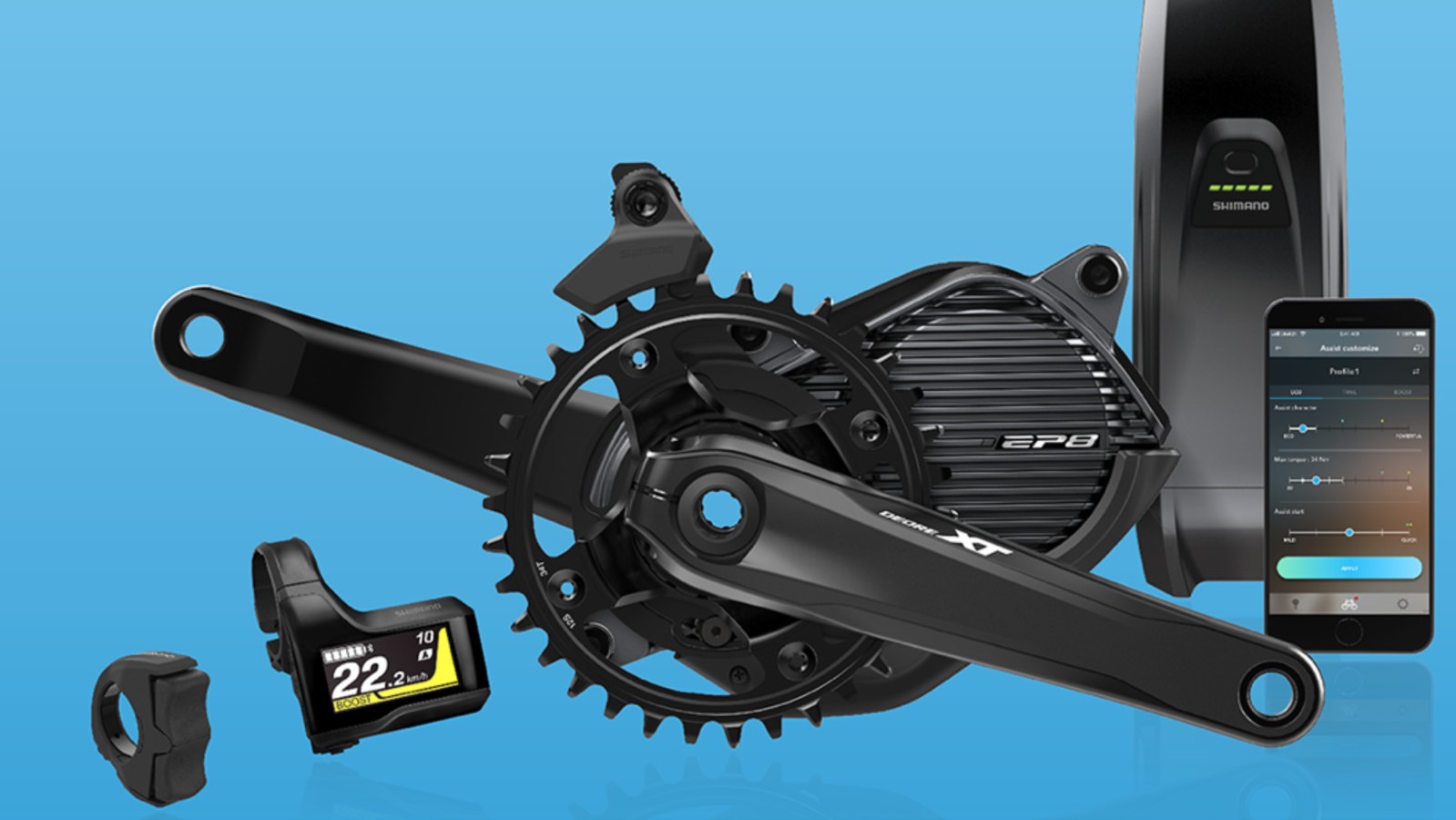
The electric motor is the heart of an e-bike's propulsion system. It converts electrical energy from the battery into mechanical energy, which propels the bike forward. The motor is typically located in the hub of the rear wheel or the crankshaft area, depending on the e-bike's design.
The electric motor consists of several key components, including the stator, rotor, magnets, and windings. The stator is the stationary part of the motor and contains coils of wire that are energized by the electrical current from the battery. The rotor is the rotating part of the motor and is connected to the drivetrain of the bike.
The magnets inside the motor create a magnetic field that interacts with the current flowing through the wire windings. This interaction produces a rotational force, known as torque, which drives the movement of the bike. The amount of torque generated by the motor depends on factors such as the power output of the motor and the level of assistance provided to the rider.
The electric motor in an e-bike can provide assistance in various ways, depending on the specific model. Some e-bikes offer pedal assist, where the motor only provides assistance when the rider is pedaling. This system allows the rider to maintain control and engagement with the bike while still receiving assistance when needed.
Other e-bikes may have a throttle, which allows the rider to control the speed of the bike without pedaling. This feature can be useful when starting from a standstill or for maintaining a consistent speed without exerting excessive effort. It's important to note that the use of a throttle without pedaling will significantly reduce the overall range of the e-bike.
This image is property of cdn.mos.cms.futurecdn.net.
Gears and Assist Functions
How gears contribute to the performance of an e-bike
Gears play a vital role in the performance and efficiency of an e-bike. They allow the rider to adjust the bike's speed and control the level of effort required while pedaling. E-bikes typically have a wide range of gears, similar to those found on a standard bicycle.
The gears on an e-bike are controlled by a shifter, which the rider can use to shift up or down depending on the terrain or desired speed. The gears effectively multiply the pedaling force, making it easier to tackle uphill climbs or maintain a steady pace on flat roads.
By changing gears, the rider can optimize the motor's assistance and reduce the strain on their legs. When climbing a steep hill, for example, the rider can shift to a lower gear, allowing the motor to provide maximum assistance. On the other hand, when riding on level ground or descending, the rider can shift to a higher gear, reducing the reliance on the motor and maximizing efficiency.
The inclusion of gears in an e-bike also allows for better control and responsiveness. By adjusting the gear ratio, the rider can fine-tune their pedaling cadence to match the desired speed or effort level. This flexibility in gear selection ensures a more comfortable and enjoyable riding experience.
Different assist functions available in e-bikes and their benefits
E-bikes offer a range of assist functions that allow riders to customize their riding experience and tailor the level of assistance to their specific needs. The most common assist functions found in e-bikes include pedal assist, throttle-only, and a combination of both.
Pedal assist mode is the most popular and widely used function in e-bikes. In this mode, the motor provides assistance to the rider's pedaling effort. The level of assistance can typically be adjusted using the e-bike's controller or display. This mode allows the rider to maintain control and engagement with the bike while still receiving assistance when needed. Pedal assist mode is especially useful for longer rides or when tackling challenging terrains.
Throttle-only mode allows the rider to control the speed of the bike without pedaling. By simply twisting or pressing a throttle, the motor provides power and propels the bike forward. This mode is particularly useful when starting from a standstill or for maintaining a consistent speed without the need for pedaling. However, it's important to note that relying solely on the throttle without pedaling will significantly reduce the overall range of the e-bike.
Many e-bikes offer a combination of both pedal assist and throttle-only modes. This hybrid mode provides the rider with the flexibility to choose between pedaling with assistance or using only the throttle, depending on the terrain or personal preference. This mode caters to a wide range of riding styles and allows riders to conserve energy when desired or power through challenging sections with maximum assistance.
The various assist functions available in e-bikes provide riders with the freedom to choose how much assistance they need and when they need it. This versatility makes e-bikes suitable for a wide range of riders, from beginners who may need extra help on hills to experienced cyclists looking to cover greater distances with less effort.
This image is property of images2.giant-bicycles.com.
Comparison With Standard Bicycles
Highlighting the differences between e-bikes and standard bicycles
While e-bikes share many similarities with standard bicycles, there are several key differences that set them apart. Understanding these differences can help riders make an informed decision when choosing between an e-bike and a traditional bicycle.
The most obvious difference is the presence of an electric motor in an e-bike. This motor provides assistance to the rider, making it easier to pedal and maintain higher speeds. Standard bicycles rely solely on the rider's physical strength and effort to propel the bike forward.
The motor in an e-bike allows riders to tackle challenging terrains and longer distances with less physical exertion. It can help riders overcome steep hills or headwinds, making cycling more accessible to a wider range of individuals. This assistance can be particularly beneficial for older adults, individuals with physical limitations, or those who want to extend their commuting range.
Another significant difference between e-bikes and standard bicycles is the inclusion of a battery and electric components. E-bikes require charging, whereas standard bicycles rely solely on human power and do not require any external power source. This means that e-bike riders need to plan their rides to ensure they have enough battery power to reach their destination or have access to charging facilities.
The weight of an e-bike is another notable difference compared to a standard bicycle. The addition of the motor, battery, and electric components can make e-bikes significantly heavier than traditional bicycles. This can affect the handling and maneuverability of the bike, especially at higher speeds or when navigating tight corners.
Advantages of e-bikes over traditional bicycles
Despite these differences, e-bikes offer several advantages over traditional bicycles that make them an attractive option for many riders.
The primary advantage of e-bikes is the assistance provided by the motor, which reduces the effort required to pedal and makes cycling more accessible to a wider range of individuals. This assistance is particularly beneficial for those who may have physical limitations or find it challenging to ride long distances on a standard bike. E-bikes can help individuals stay active, improve their cardiovascular health, and enjoy the outdoors without straining their bodies excessively.
E-bikes also offer increased efficiency compared to standard bicycles. The motor assistance allows riders to cover more ground in less time without exerting as much effort. This increased efficiency makes e-bikes an excellent choice for commuting, as they can help riders arrive at their destination faster and without breaking a sweat. E-bikes can also be a cost-effective transportation option, as they require less energy input from the rider compared to a car or motorcycle.
Another advantage of e-bikes is their ability to tackle challenging terrains with ease. The motor assistance allows riders to conquer steep hills or headwinds, making cycling more enjoyable and less physically demanding. This capability opens up new possibilities for exploration and adventure, as riders can tackle trails and routes that may have been too difficult on a standard bicycle.
In conclusion, e-bikes combine the best of both worlds by incorporating electric assistance with the timeless joy of cycling. The mechanical features, electric components, gears, and assist functions all work together to provide a smooth and enjoyable riding experience. Whether you are a casual rider looking for a comfortable commuting option or a seasoned cyclist seeking new challenges, e-bikes offer a convenient, efficient, and environmentally friendly mode of transportation. So hop on an e-bike and embrace the freedom and fun it offers. Happy riding!

This image is property of cdn.shopify.com.